
In late summer 2024, the Alabama Symphony Orchestra began looking for a new venue—one that would provide the audience with a close-up experience, allow them to see all of the performing musicians, and have a stage large enough to accommodate a full orchestra. While Birmingham has various unique and intimate venues, only a few have a stage large enough for the orchestra. Enter the recently renovated Carver Theatre. Not only does the stage fit, but its shared history makes it the perfect venue for a new series of concerts.
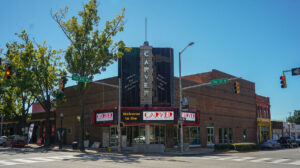
Throughout the past century, the Alabama Symphony Orchestra and the Carver Theatre have evolved in tandem, reflecting Birmingham’s social, political, and cultural landscapes. Both institutions have played crucial roles in enriching the city’s artistic fabric, contributing to a legacy of collaboration and community engagement that inspires generations of artists and audiences.
Both were foundations of musical traditions in the Early 20th Century (1920s-1930s). The Alabama Symphony Orchestra (ASO) was founded in 1921, marking the beginning of a significant musical tradition in Birmingham. The early performances were held in various venues around the city, reflecting the nascent nature of orchestral music in Alabama. Meanwhile, the Carver Theatre, originally opened in 1935 as a movie theater, became a focal point for African American arts, showcasing films and live performances at a time when segregation limited access to many cultural venues.
During the mid-20th Century (1940s-1970s), both institutions experienced growth and encouraged cultural exchange. As the ASO continued to establish itself in the community, the Carver Theatre provided a platform for a diverse range of performances, including jazz concerts and theater productions. The 1960s ushered in an era of civil rights movements, with both institutions becoming symbols of cultural pride and resistance. Concerts by the ASO began to feature more varied repertoires. At the same time, the Carver Theatre diversified its programming, hosting events that celebrated African American culture, further bridging the gap between different musical genres.
In the 1970s and 1980s, integration and transformation was happening throughout the city. The ASO continued to grow, becoming a professional orchestra by 1982. During this time, the Carver Theatre faced financial difficulties and shifts in the entertainment landscape. Despite these challenges, both organizations sought to address community needs. The ASO initiated outreach programs to engage more local residents, while the Carver Theatre worked to revitalize its mission, becoming a community arts center that would offer educational programs and local performances.
The 1990s brought a new era of collaboration and innovation. Both the ASO and the Carver Theatre embraced innovation to continue contributing to Birmingham’s performing arts and culture. The ASO began performing at the newly constructed Alys Stephens Center in 1996, but it continued collaborating with local artists and institutions, recognizing the importance of community ties. The Carver Theatre underwent renovations, allowing it to host a broader array of performances, including collaborations with the orchestra for community holiday events and festivals.
From 2000 to the present, Birmingham has experienced a cultural renaissance and increasing community engagement. Entering the 2000s, the Alabama Symphony Orchestra and the Carver Theatre have both worked to promote inclusivity and celebrate the rich cultural heritage of Birmingham. The ASO has focused on expanding its audience through innovative educational programming, outreach, and partnerships with local organizations. The Carver Theatre has similarly embraced its role as a community hub, offering space to local artists, theatrical productions, and educational programming, ensuring the arts remain accessible to the entire community.
This legacy of connection is worthy of celebration as The Alabama Symphony Orchestra begins a new series in the Carver Theatre and builds on the enduring connection, a testament to the power of resilience, creativity, and the arts to unite a community.