
Inspired by Alabama
Recorded on October 30, 2024
Carlos Izcaray, conductor
Amerigo Marino: Stars Fell on Alabama
Brian Raphael Nabors: Letters from Birmingham
William Levi Dawson: Negro Folk Symphony
As the only full-time orchestra in the state, the Alabama Symphony Orchestra (ASO) is the arts organization with the artistic and organizational capacity to present and preserve the legacy of classical music for the state of Alabama. We have an opportunity to create an album of exceptional quality by recording three distinctive Birmingham - and Alabama - centric classical compositions for posterity. Our goal is to produce an album that will stand out in the field and highlight Alabama’s exceptional classical music, past and present. This recording must be done properly to attract the recognition it deserves, with special engineers and recording equipment to achieve specific sound quality. The recording will occur during this public performance on October 30, 2024. The cost associated with recording at this standard of excellence is substantial. Please consider supporting this investment of a legacy.
Read about the pieces below and their significance to the ASO and the state of Alabama.
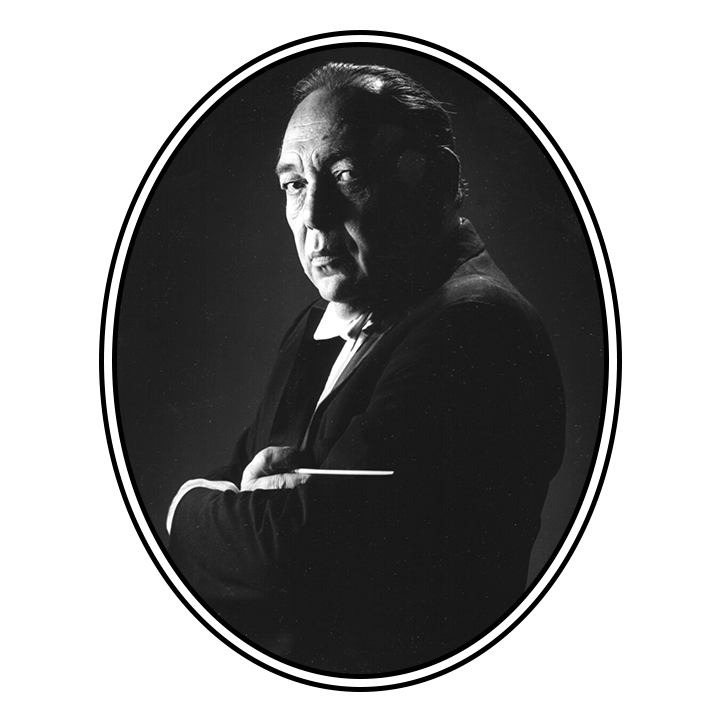
“Stars Fell on Alabama” by Mitchell Parish and Frank Perkins (1934)
Arranged for orchestra by Amerigo Marino
Amerigo Marino was the fourth music director and conductor of the Alabama Symphony Orchestra (then called Birmingham Symphony Orchestra), a position he held for 20 years. A famous music arranger at the time, Marino came to Birmingham, Alabama in 1964 from Southern California where he had been a distinguished composer/conductor of the CBS Radio and Television Orchestra (the studio musicians’ favorite) and a first violinist with the Los Angeles Philharmonic Orchestra. Under his tenure, the Birmingham Symphony Orchestra became the Alabama Symphony Orchestra, reflecting the popular support and enthusiasm for the symphony throughout the state, and recognizing that many of its concerts were played in various locations throughout the state.
“Stars Fell on Alabama” is woven into Alabama’s historical and cultural fabric, is one of the most iconic songs in jazz history, and is one of our region's most treasured jazz standards. Perhaps as a composer, conductor, and former arranger, Marino couldn’t resist treating this most popular song of Alabama for the orchestral medium. The song sings and swings ethereally when played by our full orchestra. Maestro Marino’s arrangement and interpretation of this song combine the impressive symphonic talent of the ASO musicians and the deep history of an important and enchanting musical composition.

Letters from Birmingham by Brian Raphael Nabors (2022)
The ASO will showcase a new symphonic composition written by a rising star in the classical field, Birmingham native Brian Raphael Nabors, titled Letters from Birmingham, which was commissioned by the ASO in our 2022-2023 season and is dedicated to the City of Birmingham. Nabors is a young composer whose music tells exciting narratives with vibrant themes and colorful harmonic language. With an eclectic musical palate and distinctly tonal compositional technique and style, Nabors’ music draws from combinations of jazz, funk, R&B, and gospel with the modern flair of contemporary classical music. Letters from Birmingham is an entertaining, complex, and triumphant musical exploration of Birmingham’s past and present; an homage to Nabors’ hometown and identity, encapsulating the history, growth, and hope of Birmingham.
The piece has four movements, as follows:
Sloss is named after the most prominent pig-iron blast furnace in the city and turns the orchestra into a working steel factory. Clanging in the percussion section are bells and whistles inspired by the sounds of metalwork that fueled the beginning of one of the largest steel-producing entities in the country.
Tuxedo Junction, from the mid-1920s to the mid-1950s, was a two-block area at the intersection of Ensley Avenue and 20th Street on Birmingham's west side which was the hub of nightlife, music, dining, dancing, and shopping for the surrounding predominantly Black communities. This movement captures the rhythms of jazz, swing, and big bands and the fun and vibrant celebration of the historic Junction’s nightlife and dance clubs.
March is a reflection on the civil rights struggle, then and now, and its history in Birmingham. Our city, region, and country would not have made progress without the brave men, women, and many young people who marched, protested, and sacrificed for the betterment of future generations.
The Magic City is a rambunctious finale celebrating the cultural and enduring spirit of our city. It's a sparkling ride to the very end, representing the beauty and hospitality of its people, and the efforts that continue to make Birmingham a wonderful place to live.
Nabors' music has been performed by the Boston, Atlanta, Nashville, Cincinnati, Detroit, Fort Worth, and Munich symphony orchestras. He was named a 2019 composer fellow in the American Composer’s Orchestra Earshot program with the Detroit Symphony Orchestra; a 2019 composer fellow with the Nashville Symphony Orchestra’s Composer Lab; and the 2019 grand prize winner of the Rapido! National Composition Contest. Nabors is also a 2020 Fulbright scholarship recipient to Sydney, Australia.
Presenting and professionally recording Brian Raphael Nabors’ new and remarkable composition is an important way for the ASO to align with our mission of advancing the cultural vitality of our state through symphonic performances of the highest standard. Recording will solidify the ASO’s leadership and relevance by actively supporting, promoting, and recognizing a talented young musician, publicly acknowledging the history and social struggles of Birmingham, while also celebrating the vibrant Black culture and influences of Birmingham’s past and present and the brave citizens who have promoted progress in this city.
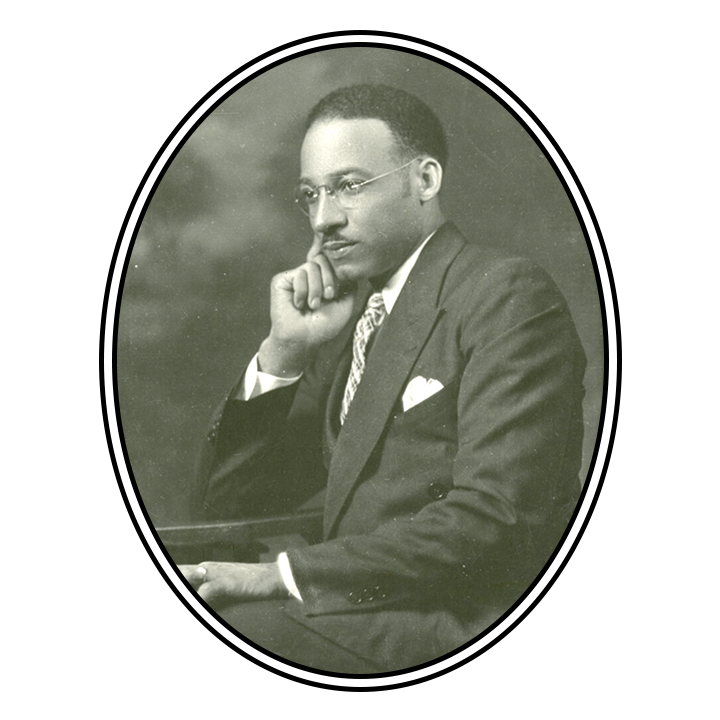
Negro Folk Symphony by William Levi Dawson (1934)
Another native son of Alabama, William Levi Dawson of Anniston, ran away from home to study music full-time at the Tuskegee Institute (now University) under Booker T. Washington. Dawson started writing his first symphony in Chicago in the late 1920s and was invited to return to Tuskegee as faculty in 1930. He finished this symphonic masterpiece at Tuskegee, where he stayed as Director of Music for over 20 years. Dawson’s most prolific contributions to the musical canon are choral octavos – widely performed in churches today – which he composed while at Tuskegee as part of his tenure portfolio.
Largely based on Black spirituals translated much in the way Tchaikovsky and Dvorak had transformed folk music in their symphonies, Dawson’s Negro Folk Symphony received instant acclaim. It premiered in November 1934 by the Philadelphia Orchestra and its star conductor Leopold Stokowski, with three performances in Philadelphia, one at Carnegie Hall, and a national radio broadcast. Audiences broke into spontaneous applause and gave each performance a standing ovation. In April 1935, the ASO (then the Birmingham Civic Symphony Orchestra) was the second orchestra to play the piece, and the first organization in the South to present this work to the public – a sensational success with Dawson himself in the audience. The newspaper reported that it was a “genuinely thrilling musical experience” for the “breathlessly attentive,” interracial audience of five thousand delighted listeners who gave the composer and orchestra an ovation.
The ASO has played the Negro Folk Symphony in recent years, and we are eager to bring Dawson’s music to the public again, highlight a historically and musically important composition, and make it part of our engaging recording.